
The wealth of archaeological material in the exposed and eroding intertidal area of Langstone Harbour makes it of high significance for understanding the impacts of coastal change on the historic environment. There have been a number of investigations in the harbour over the past 40 years and here, MAT Vice President Mr John Bingeman, takes us back to the 1990s and some of the early discoveries.
The official launching of the Hampshire & Wight Trust for Maritime Archaeology (HWTMA) was on the 19th June 1991. It was onboard Red Funnel’s Red Jet 1 on passage in the Solent from Southampton to Cowes funded by Hampshire County Council. By early 2000 to reflect the Trust’s worldwide projects, the Management Committee renamed the Trust the Maritime Archaeological Trust (MAT).
HWTMA’s first project was to investigate the harbour on the east side of Portsea Island known as Langstone Harbour which had been almost undisturbed for many centuries. Archaeological guidance was provided by Dr Michael Allen and Dr Julie Gardiner from Wessex Archaeology. Arthur Mack (1934-2024) and JMB became aware of the Trust’s first project while catching sand eels to use as live bait to catch bass outside Langstone harbour.
Following winter storms, the salting’s edges had been eroded by wave action, revealing more worked flints and pottery shards. If not rescued they would disappear by the scouring effect of high and low water tides. During HWTMA’s Langstone project, Arthur Mack and JMB were regularly onsite between visits to collect recently exposed flints taking them to Wessex Archaeology offices at Old Sarum Park near Salisbury.
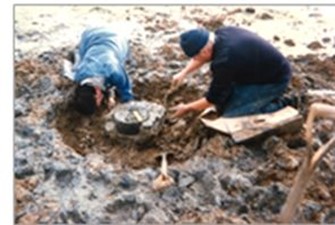
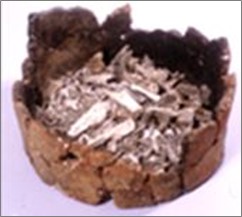
Figure 1 Left. Dr Mike Allen and JMB excavating a Bronze Age burial urn, photograph Arthur Mack.
Right. A similar Langstone urn dated late Bronze Age contained the remains of a mother and child.
A total of seventeen burial urns were discovered including the one excavated by Dr Allen and JMB in Figure 1. At the end of the Langstone project, the Council of British Archaeology funded a 287 page Research Report in 2000[i] with eighteen contributions edited by Michael Allen and Julie Gardiner. The book was dedicated to: “Richard Bradley and Arthur Mack, professional and amateur alike” with both Arthur and JMB listed among the eighteen “principal contributors”.
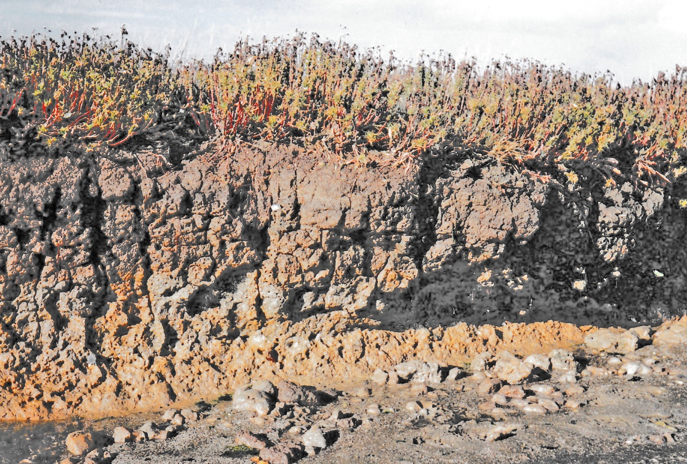
Figure 2. Langstone eroding salting covered with Spartina grass.
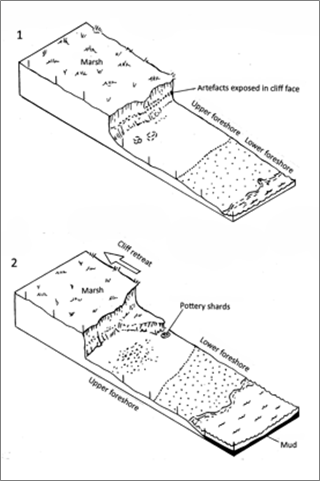
Figure 3. Mudflats erosion based on S E James drawing[ii] adapted by Rob Kennedy.
Worked Flints
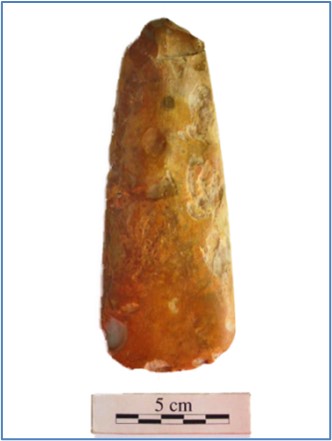
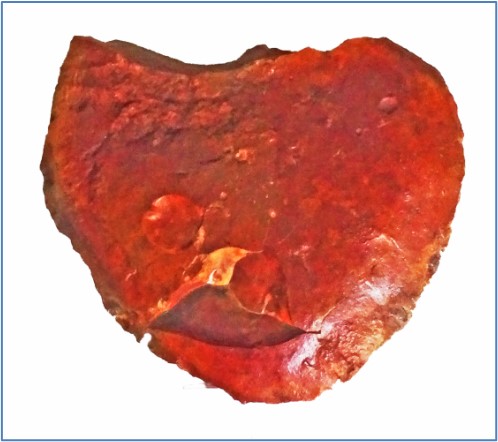
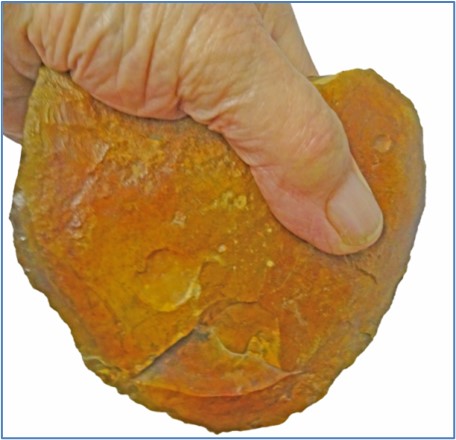
Figure 4: Left to right: Neolithic axe, hand axe, the centre axe demonstrated.
Archaeologists describe the left axe-head as being polished or ground. To create its smooth surface by polishing with another hard stone surface would have taken a long time. Both these axes were found in Langstone Harbour’s intertidal zone. A similar polished flint-axe had been discovered in Cambridgeshire and another near Montrose in Angus, eastern Scotland[iii].
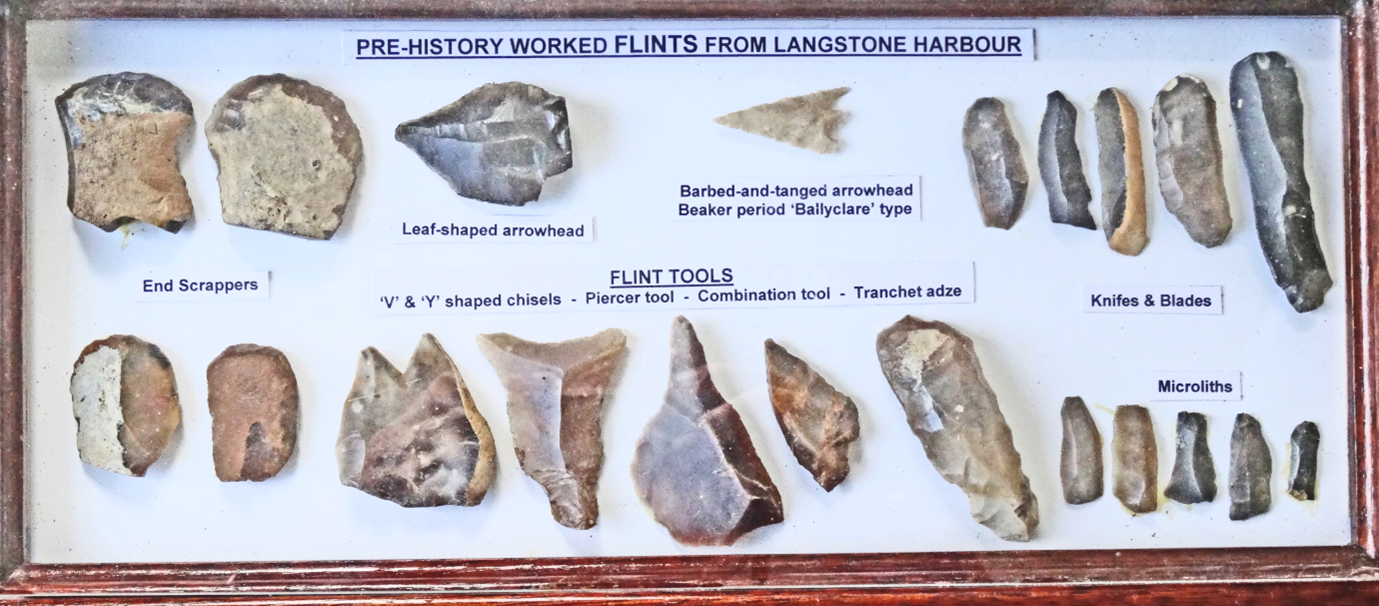
Figure 5. JMB’s Museum display of Pre-history flints.
Pottery Shards
After completion of the funded project, Arthur Mack and JMB continued monitoring the erosion of the mudflat as illustrated in Figure 3. The pottery shards were identified as originating from the Neolithic/Bronze Age including Romano Samian shards.
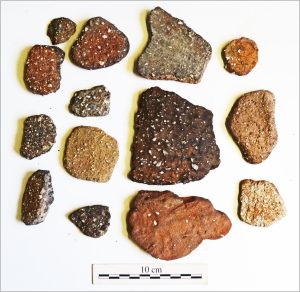
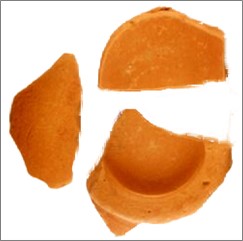
Figure 6. Neolithic/Bronze Age pottery shards.
Pottery shards with finger impressions
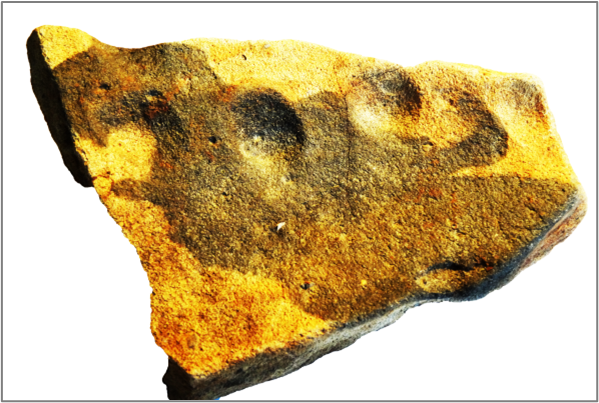
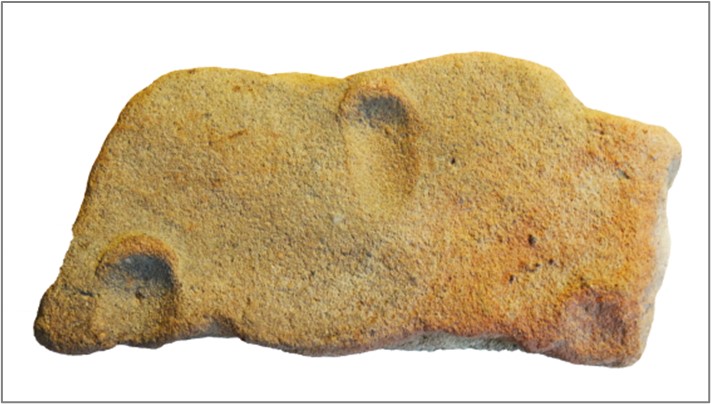
Figure 7. Left: Four finger marks shard. Right: Two finger marks shard.
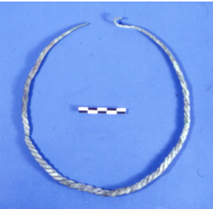
Figure 8. Bronze Age Torc 1450 – 1250 BC. [Diameter 180mm, circumference 560mm]
The torc was found in Russell’s Lake by local fisherman Johnny Woods in early 1980. It is made from a square section 7mm wide rod and twisted with plain tapered and hooked terminals; one end is broken off. Origin is thought to be Northern Europe.
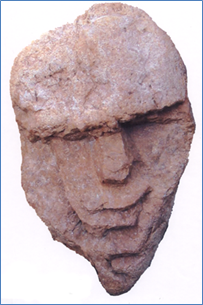
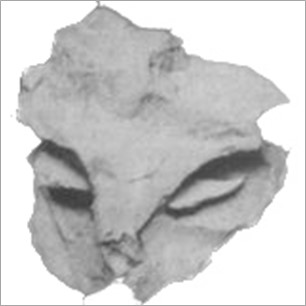
Figure 9. Left: Langstone Stone head. Right: French Stone head.
The Langstone head was found by Arthur Mack in 2004 and given to Portsmouth City Museum. The Times on the 2nd October 2004 reported: “Experts say it could be 24,000 years old”. Locally it was thought to be around 10,000 years old. A not dissimilar Neanderthal stone head was found in a cave on the Loire River, France. Based on surrounding sediments the French head was dated 33,000 BC.
Submerged Ancient Woodlands
Langstone’s north mudflats known as Baker’s Rithe contain the remains of ancient woodland. One of the tree stumps was raised. The wood was identified as ‘yew’ dated between 2310 and 1950 BC – Figure 9. The woodland would have consisted of lime, oak, hazel, yew and elm. Peat samples taken from a depth of 1 to 2 metres confirmed that this was a terrestrial area.
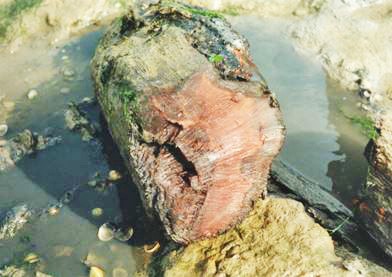
Figure 10. Yew tree log dated between 2310 and 1950 BC.
Acknowledgements: All images produced by Mr John Bingeman unless otherwise stated.
[i] Allen,M.J. & Gardiner, J. 2000, Our Changing Coast: A survey of the intertidal archaeology of Langstone Harbour, Hampshire, CBA Research Report 124, Council for British Archaeology.
[ii] Ibid., p.194.
[iii] Museum of Archaeology and Anthropology Neolithic Flint and Jadeite Axes: 4000 BC to 2400 BC.
Annex
Illustrations of larger flint tools recovered:
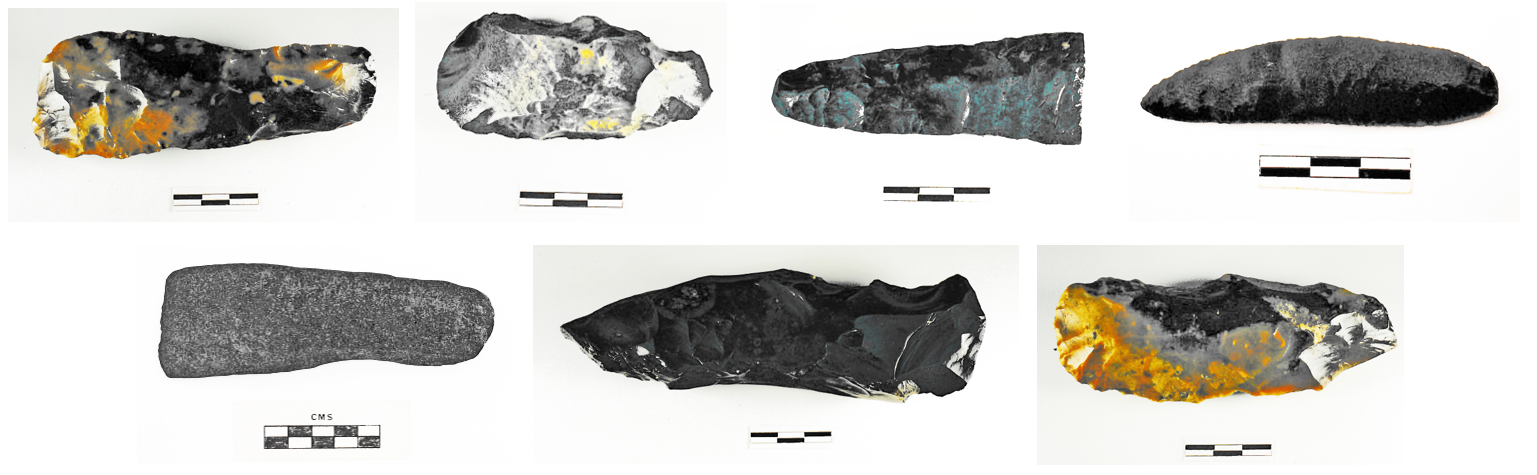
These seven flint tools would date back to the Neolithic and Bronze Ages.
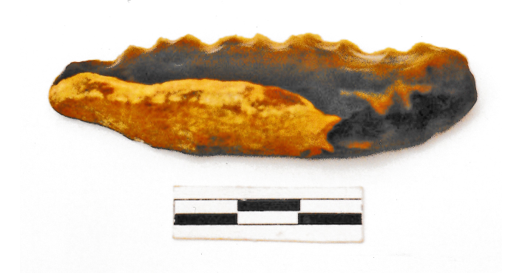
Saw edged flint tool length 6.7 cm.
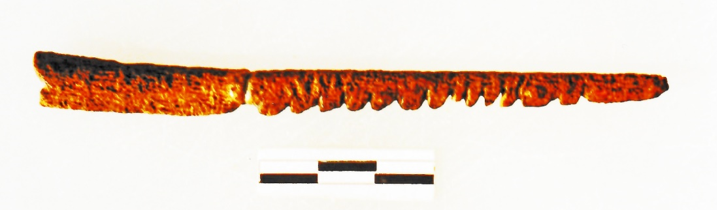
Treen fish spear length 10.8 cm.
Late Bronze Age spindle whorl
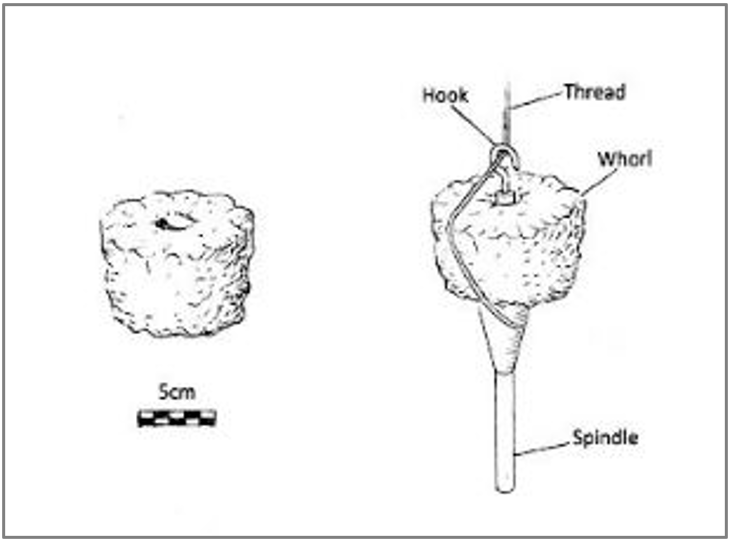
Drawing by Rob Kennedy
Left: This unusual circular stone with a central hole was identified as a Late Bronze Age spindle whorl used for spinning thread. Similar whorls have been found in Norfolk and Suffolk.
Right: This is how the whorl might have been used to spin thread.