As 2025 draws to a close, MAT staff reflect on some of their highlights from the year…
Lauren Tidbury:
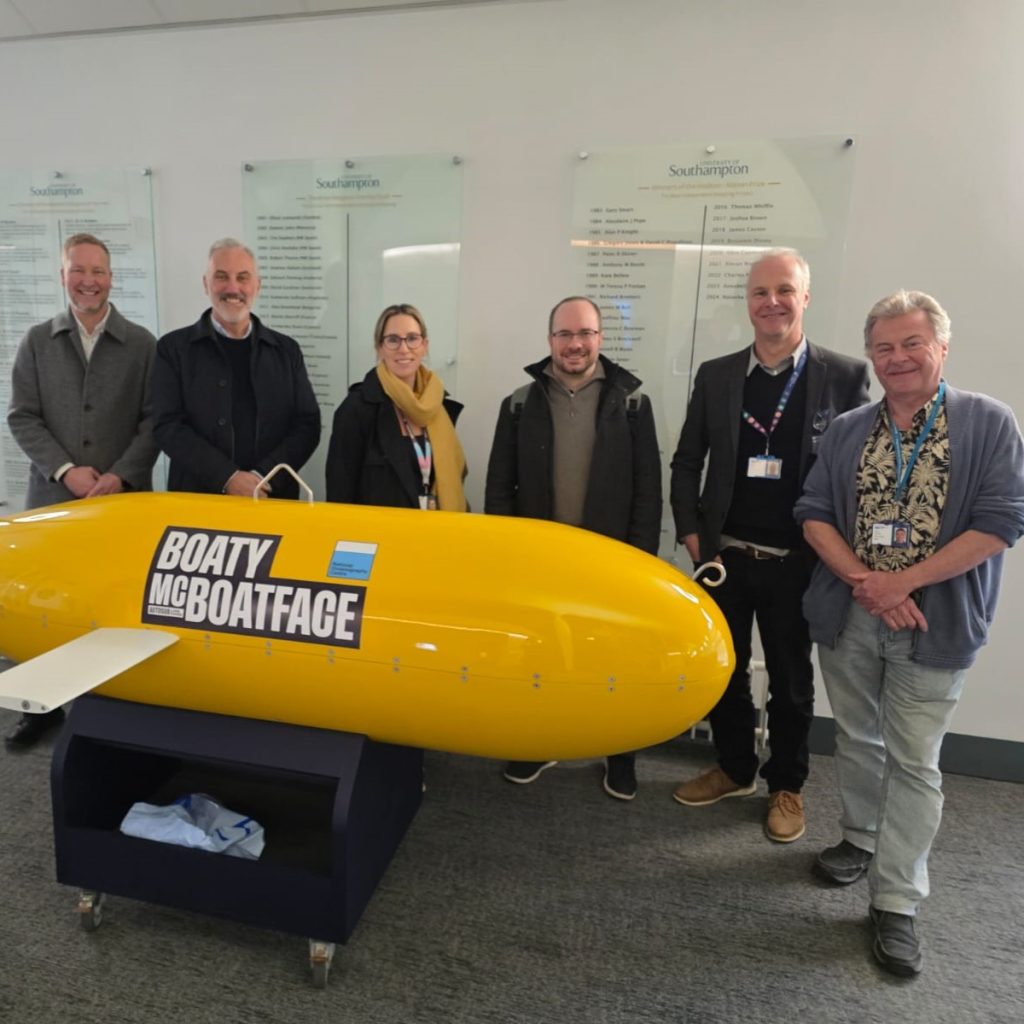
In December 2025, we reached a major milestone by completing the final desk-based assessment for the Ministry of Defence Potentially Polluting Wrecks project. As part of this global initiative, we delivered 482 Historic Desk-Based Assessments, helping to build a clearer understanding of potentially polluting shipwrecks—primarily dating from the First and Second World Wars.
Along the way, we’ve thoroughly enjoyed delving into the archives to uncover how these vessels were lost, what they were carrying, and exploring original ship plans. Working alongside our partners at ABL, whose salvage expertise has been invaluable, has been a real pleasure.
Julie Satchell:
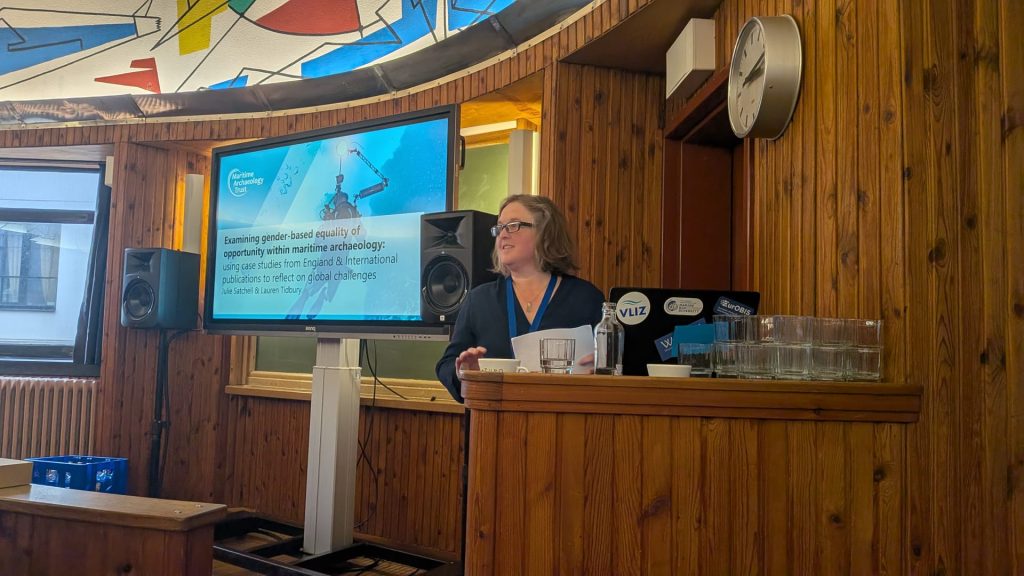
It’s been such a busy year it is impossible to choose just one highlight! Can I bend the rules as say ‘just some of the highlights’ have been – the amazing contributions of volunteers right across Trust activities and particularly at Yarmouth School and as part of the Metal Hulled Sailing Vessels project, getting out in the field to trial a new approach to shallow water shipwreck survey on a project we will be able to tell people about early in 2026 when the full results are in, the numbers of colleagues from the wider profession that joined workshops on women in maritime archaeology, the impressive contributions by many of our staff at the IKUWA 8 International Congress on Underwater Archaeology that show cased everything that we do to investigate and promote maritime archaeology, to name but a few things!
Ian Vallance:
This year at the Shipwreck Centre and Maritime Museum, we have completed our first set of Higher Project Qualification Projects, for which students from local schools have used the museum in their research on topics of their own chosing. We are now proudly displaying the results of one of the HPQs – an information on our medicine cabinet – in the museum!
Iro’ Camici:
My highlight for the year was participating to the statutory meeting of the States Parties to the 2001 UNESCO Convention on the Protection of Underwater Heritage at UNESCO Headquarters in Paris. It was an exiting opportunity to meet NGOs representatives in person and share ideas on the protection, preservation, and promotion of underwater cultural heritage (UCH). Participating in the meeting gave me and MAT an opportunity to share with stakeholders and policy makers our efforts as part of the Accredited NGOs Network to address issues such as climate change and UCH, and to showcase the NGO’s incredible resources, including 3D models of sites and artefacts and dive videos. The meetings helped strengthen the connection between NGOs and propelled them to keep promoting and protecting UCH with exiting new initiatives coming in the new year!
Carley Divish:
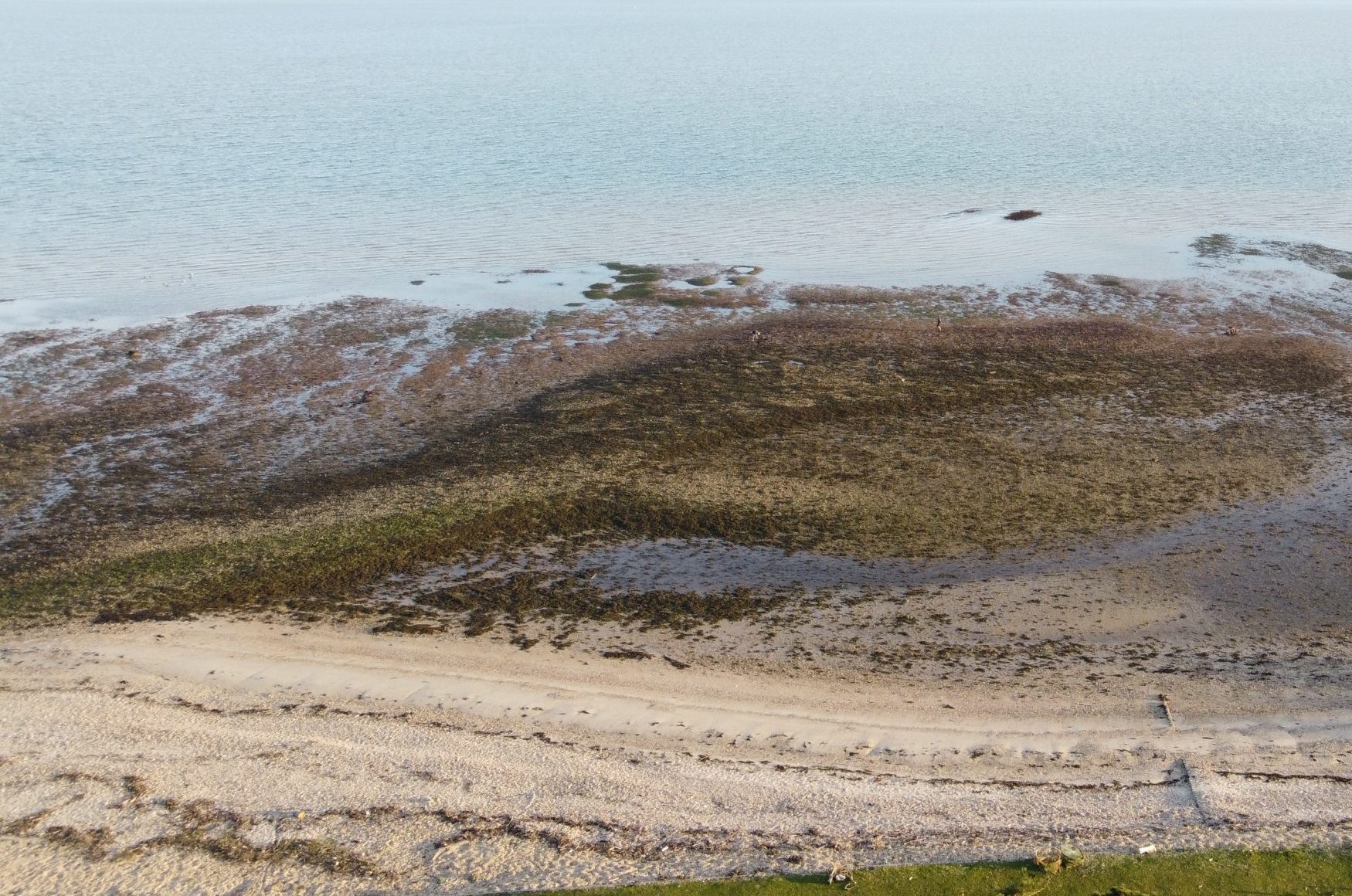
This year working at the MAT, my highlight comes at a time of day most people would not want to be up. Garry, Becca, and I woke up at 5am one day to go out to Thorns’ Beach and Galvin Weston Marsh to collect cores for the Leverhulme Trust funded project. We had to get up that early to beat the tide, as one core was just off the beach into the water. We toted all the gear through the woods to the beach, then spent most of the morning until lunchtime digging. While it was hard work the day was sunny and it felt like the reason I got into the field; working outdoors to learn information about the land around us, land and history that matters to people across Hampshire and the whole of the UK.
Jasmine Noble-Shelley:
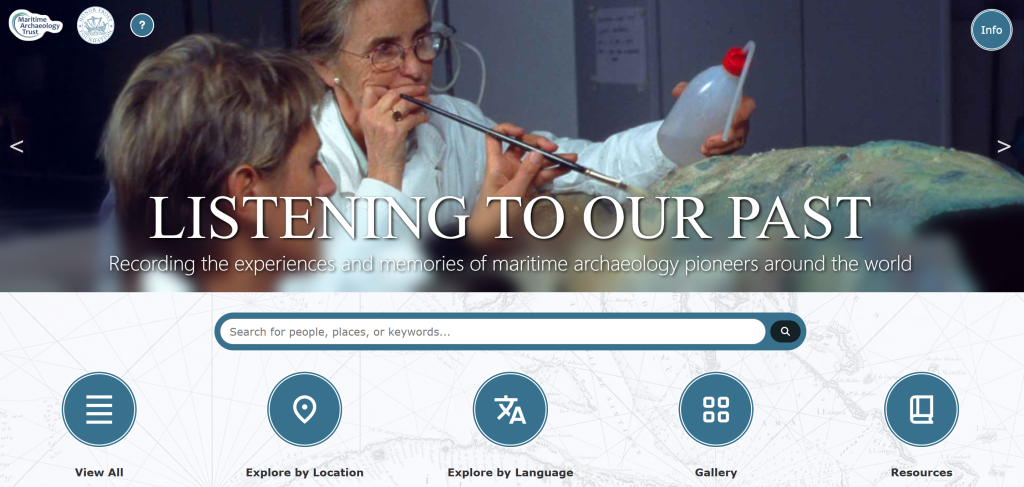
One of my highlights of 2025 has been seeing all the hard work on the Listening to Our Pasts project finally come together with the launch of the project portal. It’s been incredibly rewarding to watch years of interviews turn into something that people can now explore and enjoy online. Being able to share the voices and experiences of those who helped shape maritime archaeology feels really special, and launching the portal has been a great moment to pause and appreciate just how much the project has achieved.
Sarah Holland:
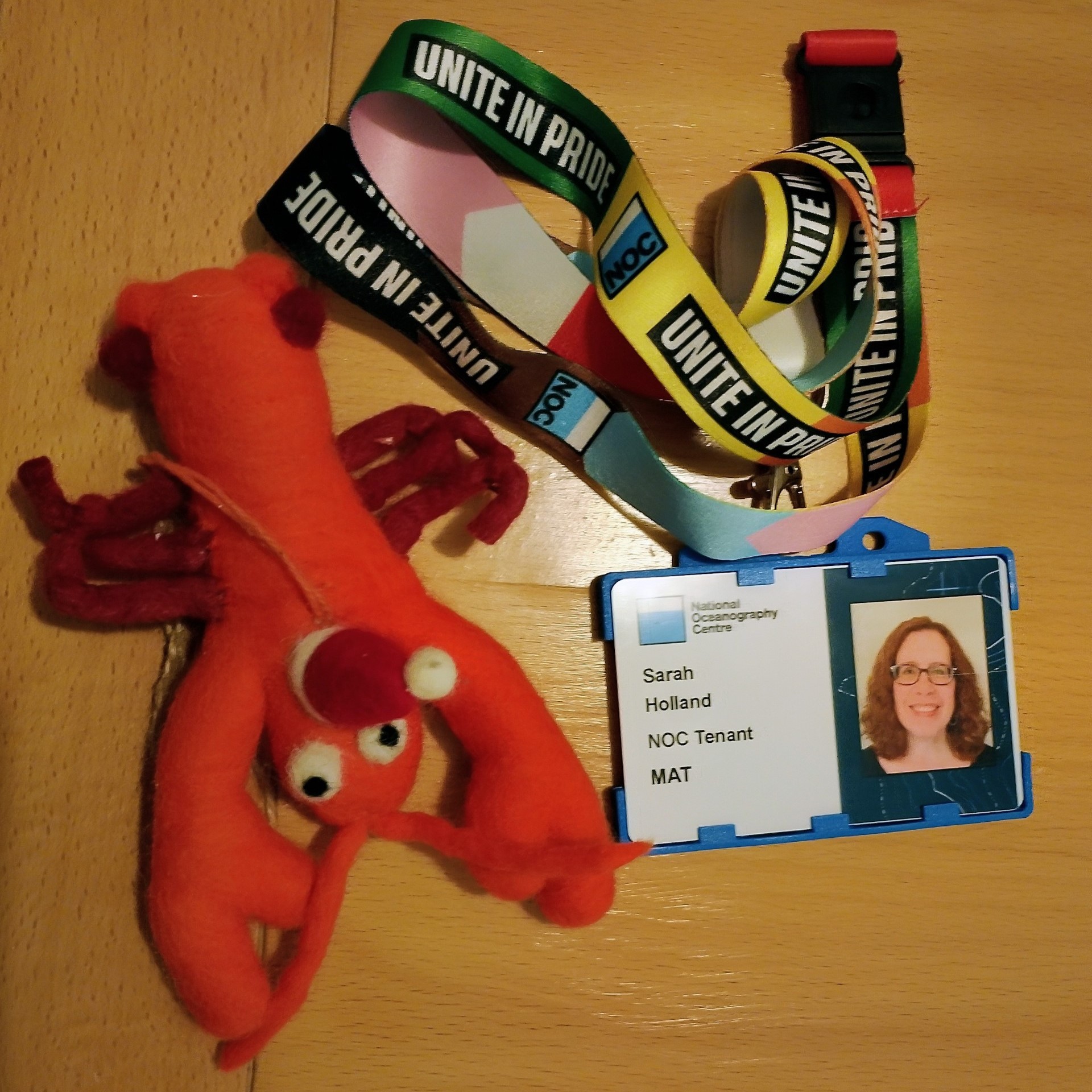
As the newest member of the MAT team, the request for our highlights of the year left me with seemingly limited options. I only joined the team in mid- October (though I do have fairly deep history with a number of staff as once upon a time I volunteered with the HWTMA). My primary focus at the moment is working on the Metal Hulled Sailing Vessels project, and I could easily have written on that as a highlight since I’m thoroughly enjoying the work and getting up-to-speed with the details of the project. But it occurred to me that simply joining the MAT team is genuinely the best highlight from my year on many levels; it is much broader than the enjoyment gained from the project work and more meaningful. Having relocated from the US back to the UK with my English husband, this has been a year filled with massive changes and significant challenges. That said, (re)joining the team at the MAT has genuinely been one of the easiest and most joyful moments in the scope of a fairly chaotic year. In addition to the massive amount of other fascinating projects now in my orbit that I can’t wait to learn more about, I have been welcomed onto the team with such openness and enthusiasm that it’s hard to adequately describe. Reconnecting with previously known colleagues and getting to know new ones has been an absolute delight. It has given me much to be grateful for and even more to look forward to in 2026! (And the felted lobster with the Santa hat really IS the best Secret Santa gift in my opinion, no matter what anyone else may tell you!)
Jan Gillespie:
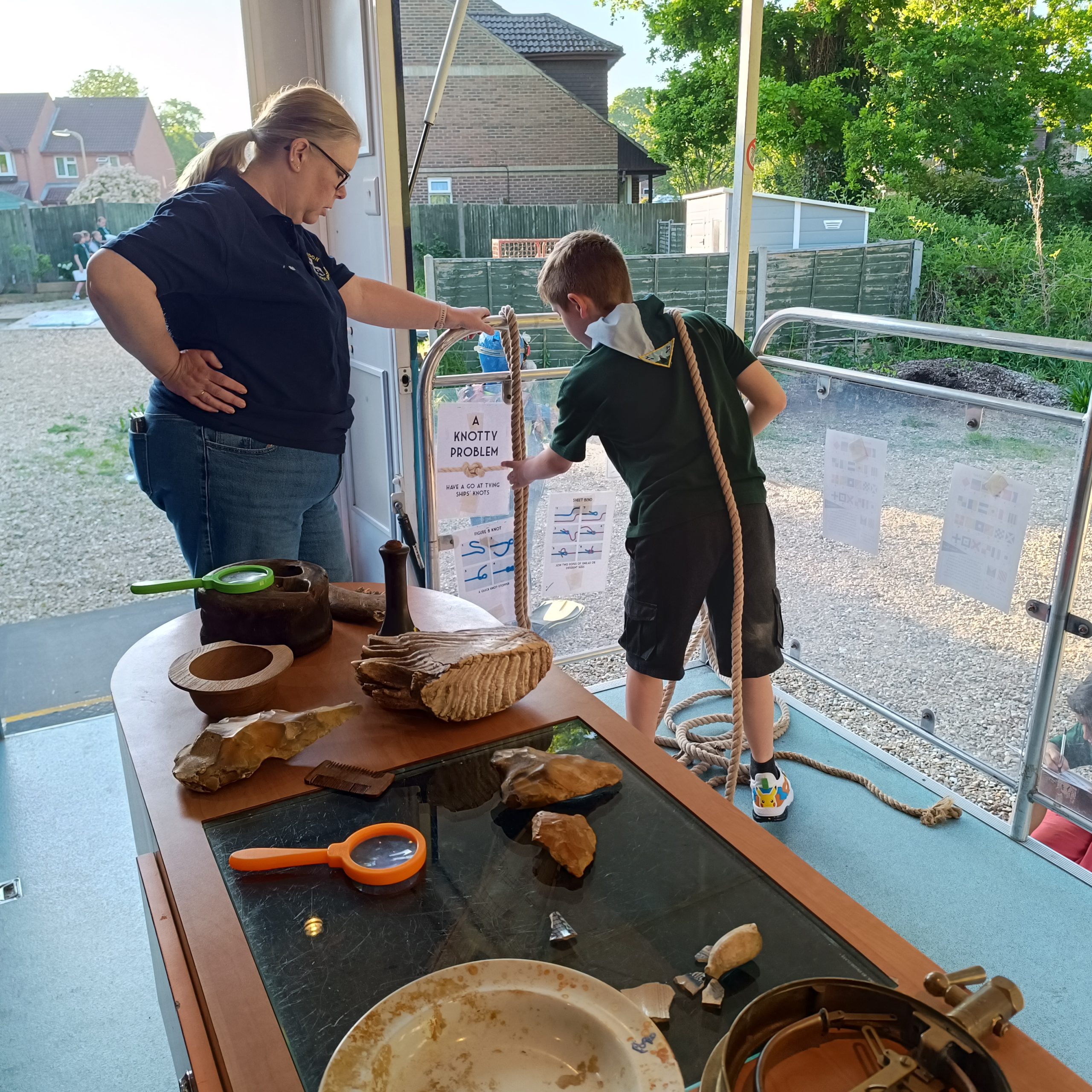
On a warm evening in late April the Discovery Bus visited the Bursledon Cub Scouts and their Leaders. The weather was perfect for an evening of intrigue and fun for the 28 Cubs. In groups aboard the bus, Cubs enjoyed handling and learning about the artefacts followed by solving the riddle which was written in maritime flags used for signalling from ship to ship in days gone by. They also got to ‘let off steam’ as Carley took them through morse code signals which involved a LOT of running back and forth on the hardstanding. A thoroughly enjoyable evening for all I would say!
Lowri Roberts:
A highlight for me was going on an offshore campaign to visit five wrecks that have already previously been discovered to monitor how they are faring on the seabed. As the archaeologist responsible for the offshore works, I supervised the Remotely Operated Vehicle (ROV) that is used to record the wreck using imaging techniques to assess their condition which often relates to how much of them is covered or uncovered. This year, a wreck we had only previously seen very few timbers of revealed it’s cargo. We were able to take a sample, and we are very excited to see what the results will be from the analysis.
Christin Heamagi:
This was certainly a memorable moment from 2025! As I jumped into the Arabian Gulf my arm hit something very hard. I rubbed my sore elbow while continuing to descend onto the beautiful coral reef. As I got closer to the seafloor and got ready to turn on my GoPro video camera, I noticed a crack all along most of the lens. The thought of leaving crossed my mind but my aim was not to take videos or pictures so I continued anyway thinking I wouldn’t find anything interesting. Less than two minutes later, I was proved very wrong. A beautiful ray glided under me, its wings spread out like an eagle, and I quickly turned my broken camera on, not expecting it to capture anything. To my complete disbelief, from the corner of my eye I spotted an amazing sight, a sandbar shark slowly swam towards me, its kind black eyes looking me over, its perfect body moving cautiously and just when my pulse quickened and fear started to nibble at my insides the astonishing creature turned and swam away. Without thinking I had managed to capture the ideal moment on camera and with a bit of cropping, no one will ever know the unfortunate occurrence of the broken GoPro.